A Note from Kent about
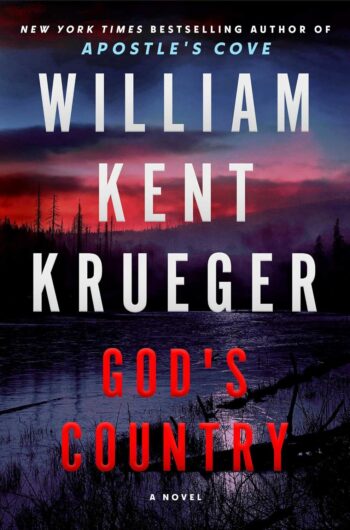
God’s Country

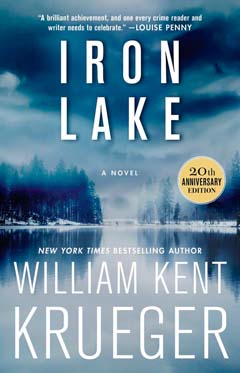
I began work on the manuscript for my first Cork O’Connor novel, Iron Lake, in the spring of 1992. I had two thoughts in mind back then. First, I wanted to write something that was good enough to be published. And second, I wanted to write something that I would be proud of. One thing I didn’t have in mind was creating a long-running series. God’s Country is my twenty-second Cork O’Connor novel. I am, quite frankly, amazed by this.

I’ve often been unkind to Cork in these stories. He gets beat up a lot. He’s been shot a couple of times. He’s lost a wife and a daughter. It would be understandable if his view of the world were to become a bitter one. But somehow he’s always managed to hold onto a profound belief in the grace of God, the Creator, the Great Mystery.

God’s Country, however, is a dark story, one that challenges Cork physically and spiritually. It often seems to me that the world we live in is growing more sinister by the day, the cruelties multiplying. More and more I find myself questioning who we are as human beings. And like so many mindful people, I ask myself, how do we come through the fire of anger and the chaos of hate to a place of healing?

This is the profound question Cork must answer in God’s Country. He’s always found solace in the natural world, in the beauty and spirit of the great Northwoods he calls home. In this story, Cork’s long journey into that vast wilderness will challenge his belief in both God and the healing power of Nature. For Cork, it will be a deep look into the dark potential of every human heart, including his own.

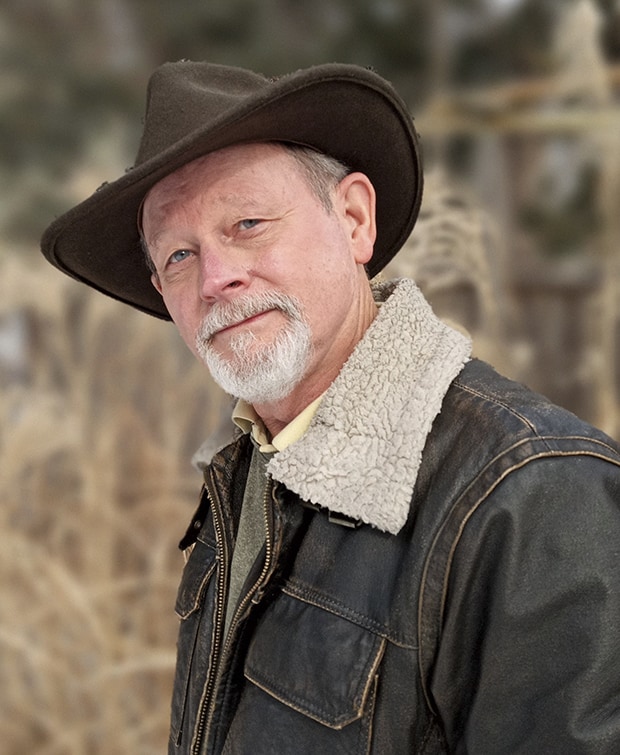
William Kent Krueger is the #1 bestselling author of more than twenty books, including the Cork O’Connor series

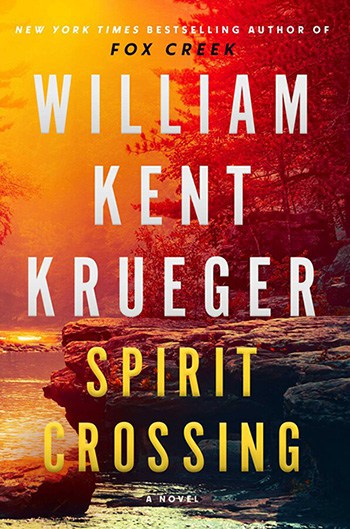
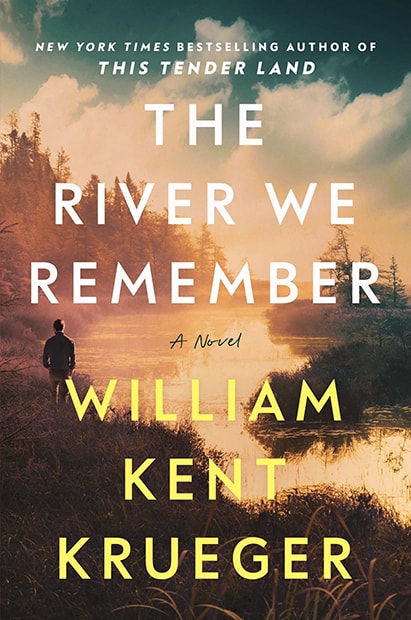
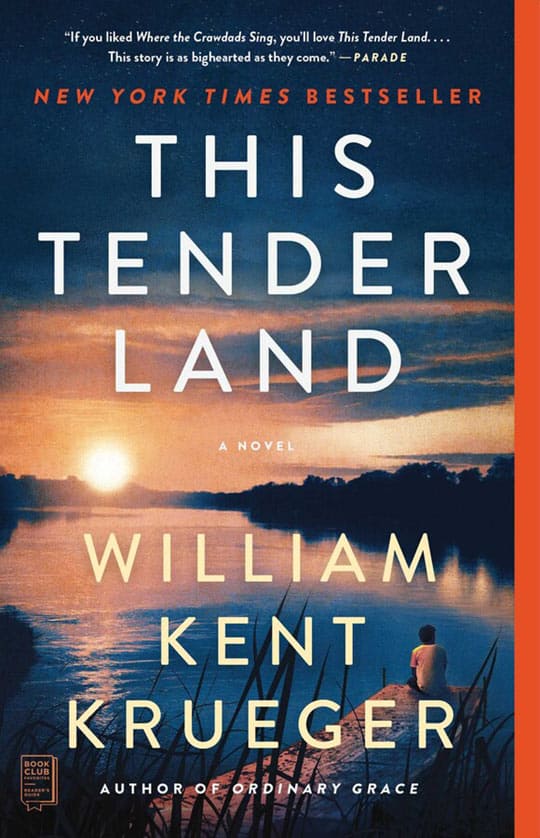
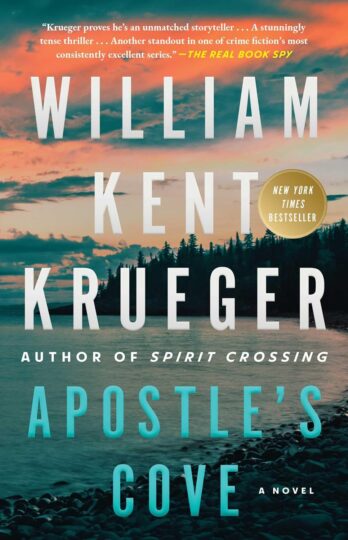
William Kent Krueger is the New York Times bestselling author of The River We RememberThis Tender LandOrdinary Grace (winner of the Edgar Award for best novel), and the original audio novella The Levee, as well as more than twenty acclaimed books in the Cork O’Connor mystery series, including God’s Country, Apostle’s Cove, and Spirit Crossing.  He lives in the Twin Cities with his family.
More about William Kent Krueger »

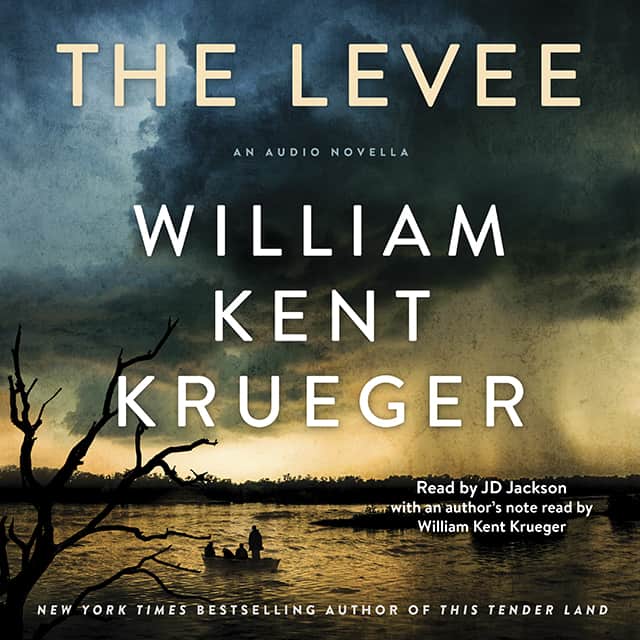
The Levee

An Audio Original Novella

An audio original novella from the bestselling author of Ordinary Grace and This Tender Land, The Levee is a powerful, captivating story of a family, a storm, a complicated rescue, and the true cost of survival.

Facebook

Photo by Dan Kraker | MPR NewsThe Boundary Waters is burning.To date, fire has scorched more than 68,000 acres in the Superior National Forest and the Boundary Waters Canoe Area Wilderness. The conflagration exploded on July 13, when a perfect storm of conditions caused fires sparked by lightning strikes a few days earlier to spread with stunning speed, prompting closure of BWCA entry points. An enormous effort was launched to ensure those already in the Boundary Waters were extracted safely. Choking smoke from these fires and those farther north in Ontario blanketed half the nation. Evacuations were ordered in a number of adjacent areas. Gradually, the fires in the Arrowhead of Minnesota are being brought under control but in some places are predicted to continue burning into the fall. The BWCA is slowly reopening access. But the effects of a fire of this size and nature will be felt for a very long time.Fire is a familiar visitor in any forest, part of the periodic cycle that helps keep the understory in check and, in some cases, is necessary for certain kinds of trees to propagate correctly. But crown fires, those that burn hottest and jump from the top of one tree to the next, are deadly to almost everything in a forest. And, with global warming and significant shifts in rain patterns, this type of fire is becoming more pervasive.Fighting this most recent blaze outbreak has been greatly hampered by both the DOGE reduction of the U.S. Forest Service personnel and drastic cuts to federal funding for the kinds of programs needed to oversee the important resource that is our nation's woodlands. Local firefighting resources, cool burning to clear the understory safely, monitoring of at-risk areas have all been adversely affected by cuts in federal funding.Wildfires are burning everywhere, it seems, in large part due to drought conditions brought on by climate change. We can’t control the weather, but there are things we can do to confront climate change. Reduce our reliance on fossil fuels. Support renewable energy sources. Fund research that helps understand our shifting weather patterns and the scope of climate change. Put the health of our natural world ahead of the profits of energy giants.Next week, I’ll be making my annual pilgrimage to the Boundary Waters with a group of readers, sponsored by Wilderness Inquiry. The area we’ll visit has reopened. My hope is that I can live to be a hundred and still enter this pristine wilderness that is so good for the soul. ... See MoreSee Less
View on Facebook