
There’s been a justifiably great hue and cry over actions of federal agents in Minnesota during the ICE surge of recent months. Many people have gone missing and others have been murdered. But the Indigenous people of North America have been dealing with missing and murdered relatives ever since Columbus stumbled onto this continent.
- Murder Rates: In some tribal communities, Indigenous women face murder rates more than 10 times the national average.
- Lifetime Violence: More than 4 in 5 AI/AN women (84.3%) have experienced violence in their lifetime, including 56.1% who have experienced sexual violence.
- Unsolved Cases: The BIA estimates there are approximately 4,200 unsolved missing and murdered cases involving Indigenous people across the U.S..
- Leading Cause of Death: Homicide remains the third leading cause of death for AI/AN women and girls aged 10–24.
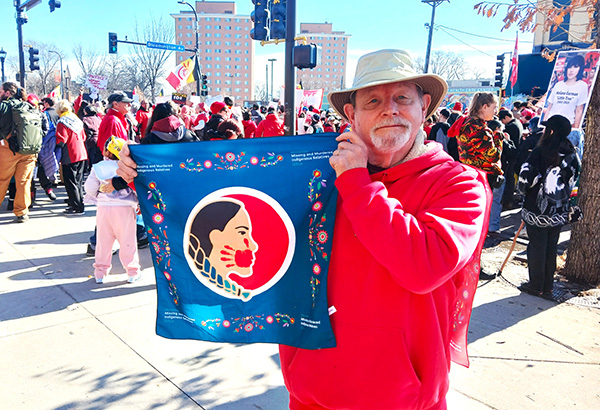
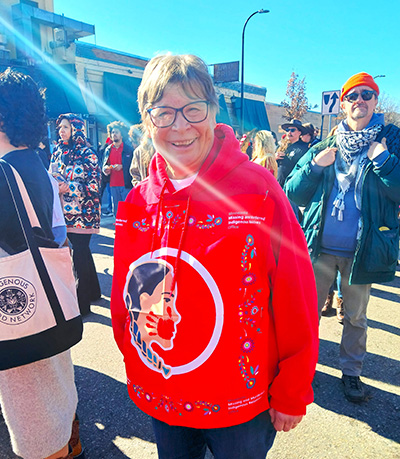
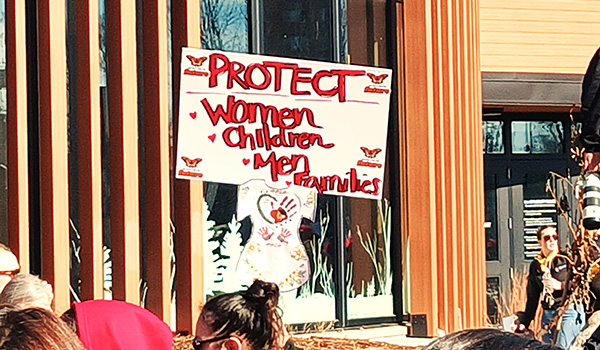
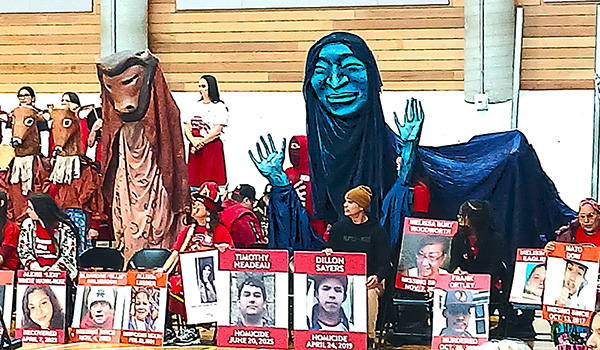
Saturday, Feb. 14 was Missing and Murdered Indigenous Relatives Day of Remembrance. My wife and I joined hundreds of others for a peaceful gathering and march to bring awareness of this situation that tragically affects so many Native families. We heard story after story told by those whose loved ones are still missing or whose lives have been so brutally affected by the murder of a beloved relative.
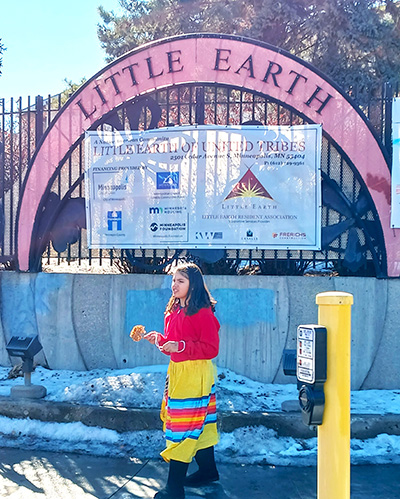
The march, a broad flow of bodies nearly half a mile long, wove through Little Earth, heart of the Native community in Minneapolis, and was accompanied by the cleansing scent of burning sage. Many folks carried signs with the names and photographs of the loved ones they’ve lost.
We fight against the recent federal incursion here in Minnesota. But we should never forget that Native people continue to deal with the generational trauma caused by an invasion that began hundreds of years ago.

This is sad but true. So proud of all those who advocate for the Native American communities.
I love your books giving light to these communities. I just read a “ A walk in the Park” by Kevin Ferdarko and this author tells a great non-fiction story and the hardships of the natives around the Grand Canyon and helps us to understand their grievances. Thank you for all you do Mr. Krueger.
I wanted to see you in New Prague this weekend but I’m teaching a Stretch class. I’ll find another talk.